

Acetylcholine: The Brain's Chief Conductor for Focus and Memory

Ever wondered how your brain manages to lock into a complex problem, retain new information, or tell your hand to pick up a coffee cup without missing a beat? Meet acetylcholine (ACh)—the very first neurotransmitter ever discovered by science.
Unlike messenger chemicals that act solely inside the brain, acetylcholine serves as a vital bridge connecting both your central nervous system (your brain and spinal cord) and your peripheral nervous system (your muscles and organs).
1. What Makes Acetylcholine Unique?
Discovered in 1921 by German biologist Otto Loewi, acetylcholine acts as an essential chemical signal across two distinct arenas in your body:
- In the Brain (Cognition): It functions like a spotlight, enhancing neuroplasticity—the brain's ability to rewire itself when learning a new language, skill, or memory.
- In the Body (Movement): It serves as the primary chemical trigger at neuromuscular junctions, causing skeletal muscles to contract on command.
"If dopamine is the drive that makes you want to learn, acetylcholine is the mental spotlight that physically encodes the lesson into your brain."
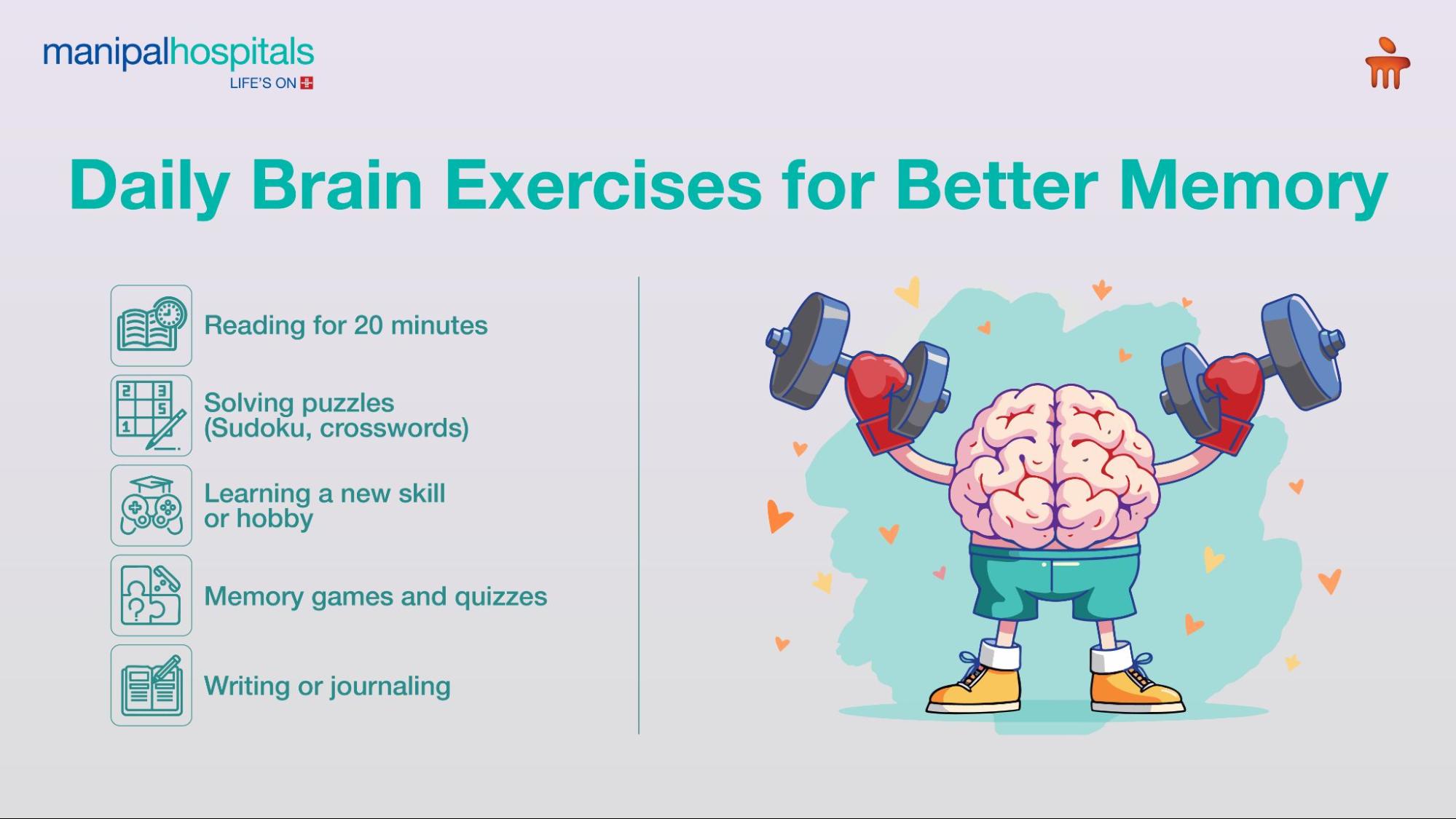
2. The Chemistry of Focus and Rest
Acetylcholine interacts with two key types of receptors spread throughout your organs and brain:
Nicotinic Receptors: Fast-acting ion channels found in your muscle junctions and central nervous system. Activation immediately opens pathways for muscle movement and rapid mental processing.
Muscarinic Receptors: Slower, complex G-protein coupled receptors located in your brain, heart, and parasympathetic nervous system. They help slow heart rate and promote digestion ("rest and digest").
Natural Ways to Support Acetylcholine Levels
Because your body synthesizes acetylcholine from choline, eating choline-rich foods like whole eggs, fish, liver, broccoli, and almonds directly supports your brain's cognitive reserves. Quality deep sleep is also essential for recycling and restoring daily ACh stores.
3. Clinical Importance: Memory and Health
Because acetylcholine is central to memory formation in the hippocampus, a decline in cholinergic neurons is one of the primary hallmarks of Alzheimer's disease. Many treatments aim to slow the breakdown of ACh by inhibiting an enzyme called acetylcholinesterase, keeping acetylcholine active in brain synapses for longer.
Final Thoughts
From controlling every physical movement to capturing your fondest memories, acetylcholine is the quiet powerhouse of human performance. Giving your body the raw nutrients and rest it needs ensures this crucial neurotransmitter stays sharp for a lifetime.





0 Comments